How a vehicle fire suppression system protects a machine.

Detection, actuation, foam discharge and shutdown, with no electronics between the flame and the foam.

Vehicle fire suppression, from the fire risk to the foam.

Every system is built from the same parts, laid out for the machine it protects. These are the parts on a typical installation.

  1. Operator’s pneumatic actuator in the cab
  2. Fire alarm status panel
  3. Remote pneumatic actuator, one or more
  4. Foam discharge nozzles
  5. Pneumatic fire detection tube
  6. 6 mm pneumatic hose
  7. The fire risk, typically the diesel engine
  8. Foam discharge pipework, hose and stainless tube
  9. Manifold, with the alarm and low pressure senders
Labelled diagram of a vehicle foam fire suppression system: fire alarm status panel, operator's and remote pneumatic actuators, manifold with alarm and low pressure senders, cylinder, detection tube, pneumatic hose, foam pipework and discharge nozzles over the engine
Tap the diagram to open it full size.

What happens when a fire starts.

  1. Detect

    A 6 mm thermoplastic tube, pressurised with nitrogen, runs through the engine bay and the transmission. Heat ruptures it within four seconds.

  2. Actuate

    The loss of pressure opens the main valve on the cylinder, with no electronics in the path. The operator can also fire the system from the cab, from a remote actuator outside the machine, or from the switch on the alarm panel.

  3. Discharge

    Foam runs through stainless tube in the high-risk area and abrasion-resistant hose elsewhere, to brass nozzles over the fire risk.

  4. Shut down and alarm

    The panel shows fire and discharge, shuts the engine down, and logs the event for the maintenance record.

See the system tested on a live fire.

The system on a fire simulator modelled on a 45 litre V-12 diesel engine, with a 4.2 square metre pool fire beneath it. Watch the foam discharge from the nozzles above the engine.

Live fire simulator test, 1 minute 53 seconds.

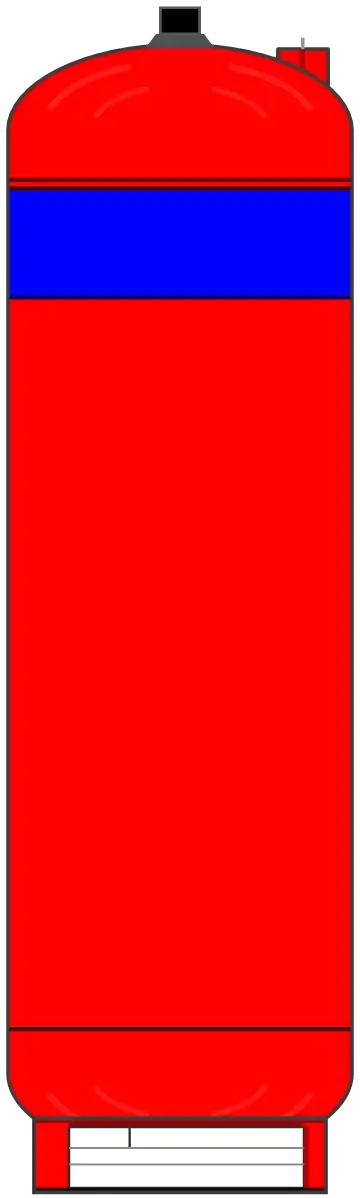
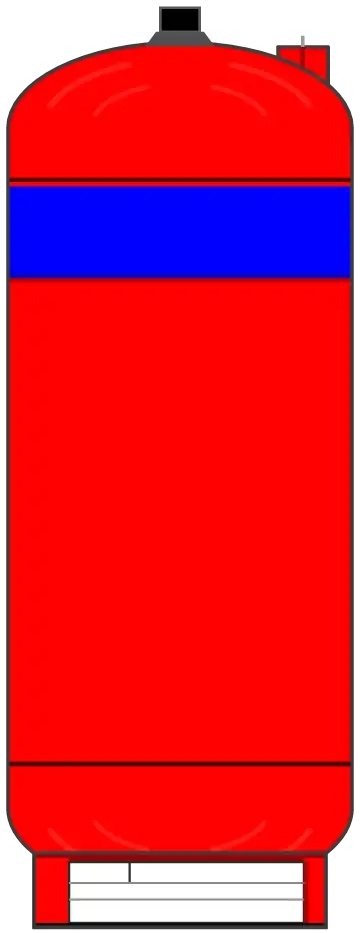
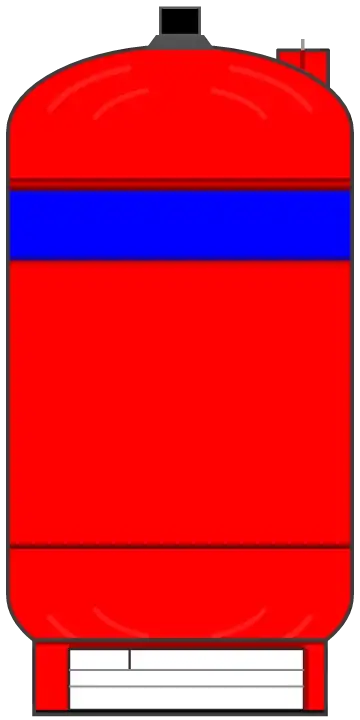
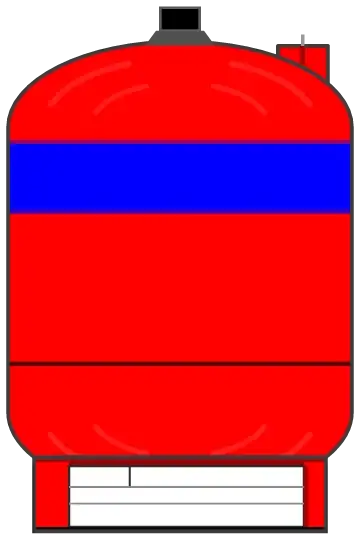
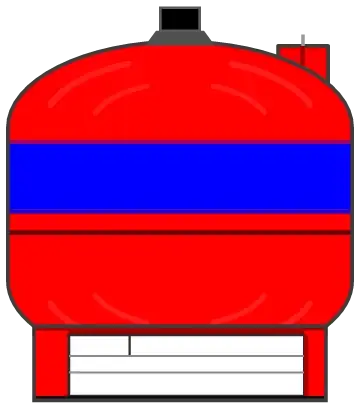
Suppression cylinders from 30 to 120 litres.

The cylinder range covers everything from the largest earthmoving equipment down to light vehicles.

  • 120 L
  • 90 L
  • 65 L
  • 45 L
  • 30 L
Diameter
368 mm
Shell
2.5 mm stainless steel
Standard
Manufactured to AS 2470
Pressure test
Hydrostatically tested to 3.0 MPa under AS 2030 procedures
Design registration
Registered with NSW WorkCover, certificate GC 6-174641/13
Finish
Signal Red UV-resistant powder coat, with an Aqua Marine Blue stripe marking the foam contents
Foot ring
Stops harmonic cracking of the lower dome on dozers and other high-resonance machines
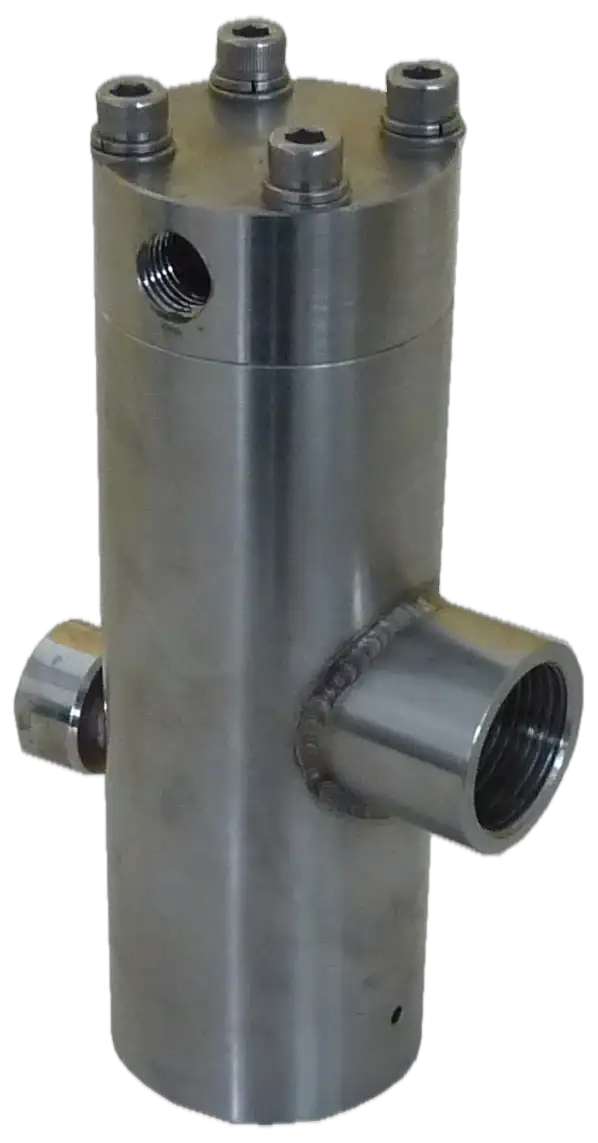
Stainless steel main valve body
Stainless main valve
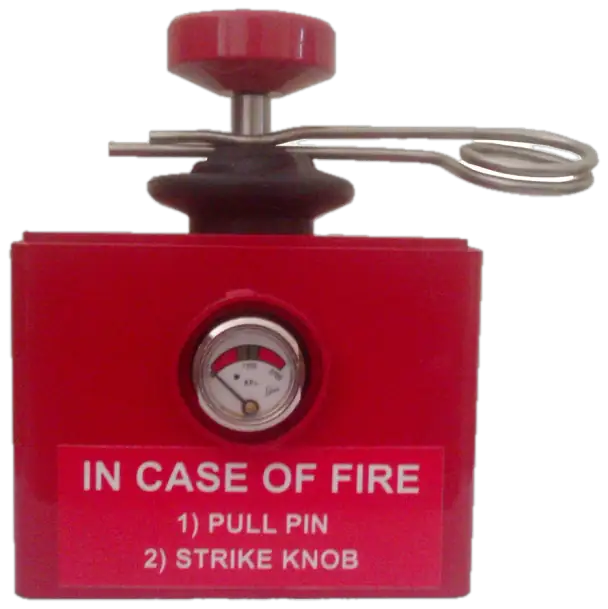
Red manual actuator with pressure gauge, pull pin and strike knob, marked In case of fire
Manual actuator

Valves and remote actuators.

  • Main valve

    A 3/4 inch stainless steel reduced-height valve that works as loss of pressure or rise of pressure with a purpose-made cap. Several cylinders can be manifolded together, or a single cylinder fitted with a high-discharge flow valve.

  • Remote actuators

    Durable brass actuators in powder-coated stainless mount boxes, within easy reach in the cabin and outside the machine, so the system can be fired immediately.

Four ways to detect a fire.

Detection is set up to suit the machine and your preference.

  • Loss of pressure tube

    Fastest response, most favoured

    A thermoplastic polymer tube holds pressure at the valve. The instant flame touches it, it ruptures and the system discharges. The quickest response of the four, and the most favoured.

  • Linear fire wire

    A three-core cable whose polymers break down at a set temperature, signalling the alarm panel, which actuates the system.

  • Rise of pressure tubes

    A thermal cord inside the tube ignites in a fire and sends a strong pressure pulse through the manifold block to the valve. Always two tubes, for double redundancy.

  • Manual activation

    The operator sees the fire and sets the system off by hand, from the actuator in the cab or a remote actuator outside the machine or vehicle.

Alarm panels built to AS 5062.

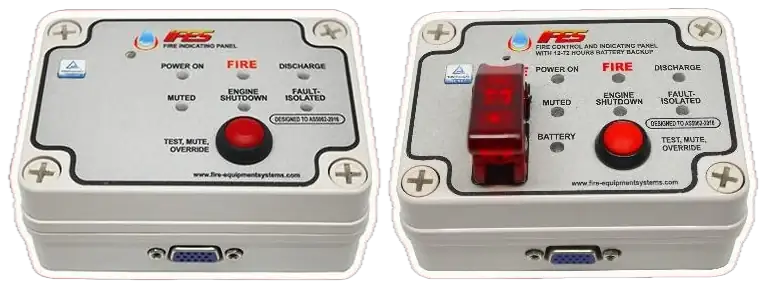
Two compact alarm panels side by side, each with status lamps and a red test button
Alarm panels
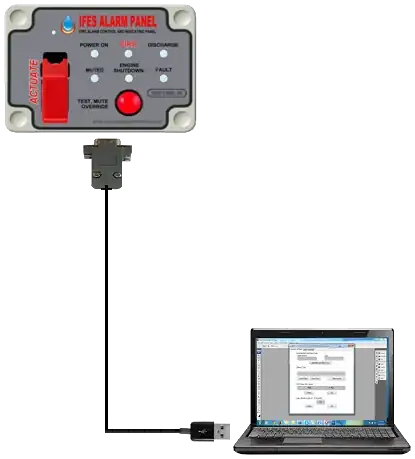
Alarm panel connected by cable to a laptop for data logging
Data logging to a laptop

Control indicating alarm panel

  • The operator can fire the system with the flick of a switch.
  • Made to comply with AS 5062.
  • An internal back-up battery keeps the system active while the machine is parked or unattended.
  • Programmable, or preset at the factory.
  • Data logging, so a technician can download maintenance information and fault codes as a permanent PDF record for the machine.
Status indicating fire alarm panel

  • For fully automatic systems.
  • Compact, on a swivel-mount bracket.
  • Keeps the cabin clear.

Pipework, nozzles and foam.

  • Pipework

    Stainless tubing where the heat is, Alfagomma Minetuff hydraulic hose everywhere else.

  • Nozzles

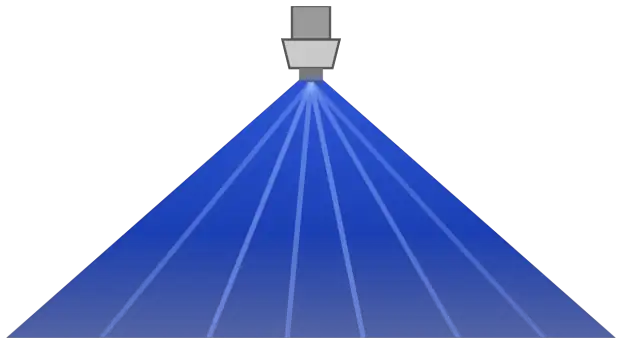
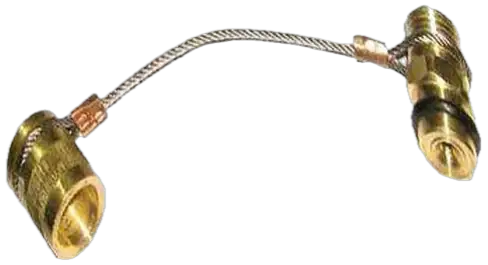
    Brass nozzles with a stainless lanyard and a brass dust cap, so the orifice is clean on the day it has to work. A 60 degree standard or 120 degree close-range pattern, at 4.1 litres per square metre per minute.

  • Foam

    Fluorine free and environmentally approved for use in Australia. All the foam we use is fluorine free.

Drawing of a discharge nozzle spraying a fan of foam
Discharge pattern
Brass nozzle joined by a stainless lanyard to its brass dust cap
Brass nozzle and dust cap

Designed, installed and commissioned to AS 5062:2022.

Every system meets AS 5062:2022. Where a machine calls for it, an Australian engineering team custom designs the system, with detailed spec drawings.

  • Commissioning

    At final testing the system is handed over with the commissioning documentation AS 5062 requires, including the parts manuals and discharge testing.

  • Maintenance

    Regular servicing keeps the system ready for the day it has to work.

Installed, supplied as a kit, or serviced.

A system is engineered to fit any machine with a diesel or turbo diesel engine.

  • Installed

    Fitted by our qualified team, on site or locally, whichever suits the machine.

  • Kit form

    The full system supplied as a kit, for your own fitters to install.

  • Serviced

    We service the systems on your machines, so they stay ready.

Standby and mobile equipment.

For the workshop, the refuelling bay and the site, alongside the systems on the machines.

  • STINGER mobile extinguishers

    Foam extinguishers on a four-wheel trolley with large front wheels for rough ground and an auto-retract reel with 20 metres of hose. Stainless cylinder to AS 2470, in 45, 60 and 90 litre sizes, with a 9 litre hand-held unit to match.

  • EFS mobile emergency response CAFS unit

    A 120 litre stainless tank driven by a breathing-apparatus cylinder, in a powder coated frame. It expands low-expansion foam through a 30 metre hose and a pistol-grip nozzle with stream and spray, with a 15 metre reach, and blankets a fuel spill so the vapour stays down.

  • KV LITE foams

    We supply the KV LITE range of fluorine-free firefighting foams.

Systems supplied by IFES.

The vehicle suppression systems we install are supplied by IFES. Our technicians are authorised and trained on IFES systems, and we distribute their mobile plant fire suppression systems.

Fluorine-free KV LITE foam.

We are a supplier of KV LITE foams. All the foam we use is fluorine free and environmentally approved for use in Australia.

KV LITE ECO F3 is free from fluorinated surfactants and fluorinated polymers (PFAS free) and is 100 percent biodegradable. It is used at 3 percent with fresh, salt or hard water on flammable liquid fires, and it also covers Class A fires such as wood, paper and tyres.